About
A 501(c)(3) nonprofit founded to advance bioregional organizing across communities and continents.
About the DepartmentWe advance bioregionalism, the practice of aligning social, economic, and political systems with natural boundaries instead of arbitrary borders.
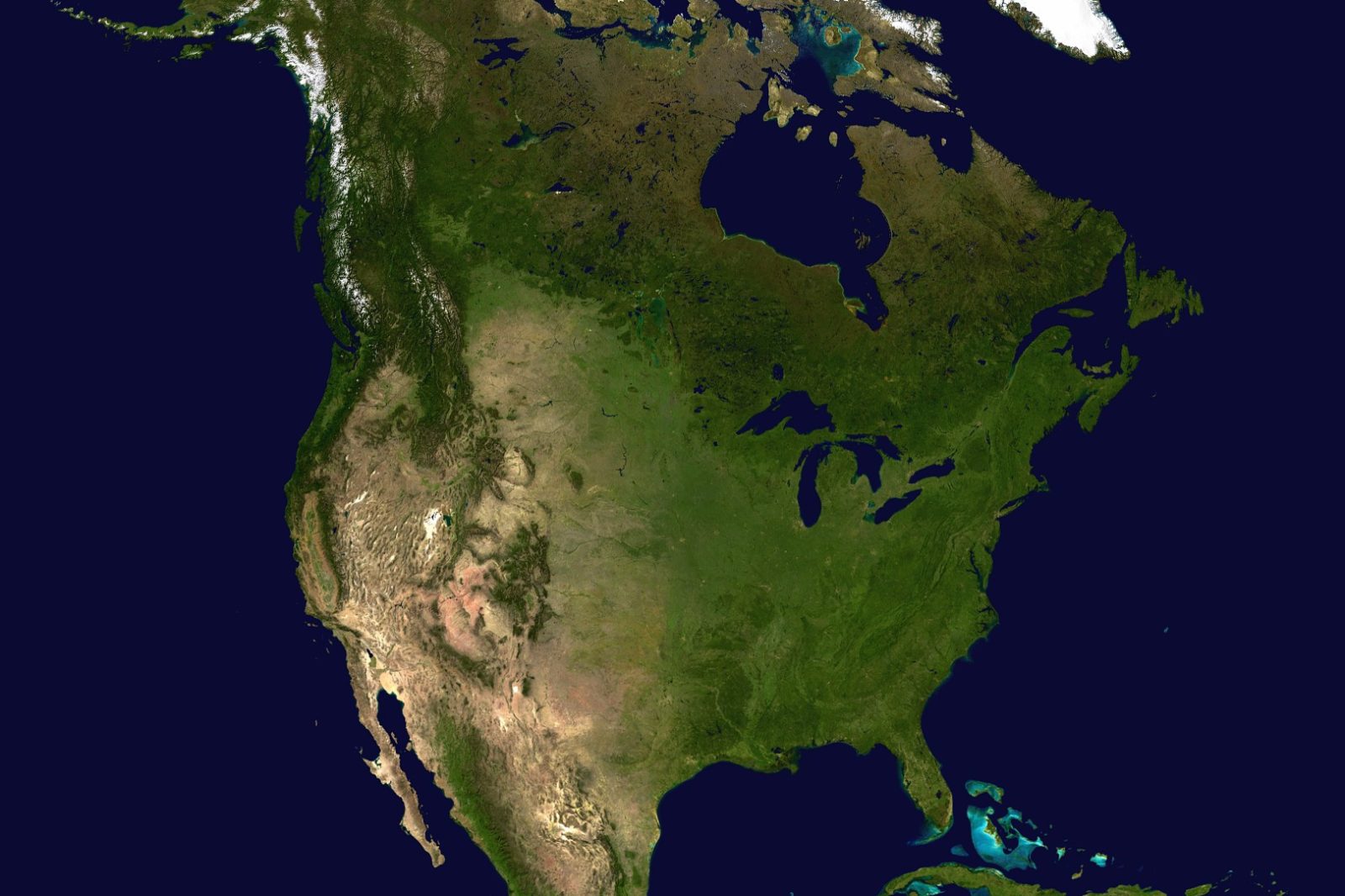
A bioregion is a distinct area with coherent and interconnected plant and animal communities, often defined by a watershed. Aligning human systems with these living boundaries lets communities steward what they know, replace extraction with reciprocity, and build a regenerative future rooted in the unique character of each life-place.
Bioregion. Bioregioning. Bioregional. Bioregionalism. Bioregionalist. Every form of the word names a facet of one practice: knowing and caring for the place where you live.
Read the caseA 501(c)(3) nonprofit founded to advance bioregional organizing across communities and continents.
About the DepartmentThe idea, the practice, the history. Aligning human systems with natural boundaries instead of arbitrary borders.
Read the caseHow we know where we live. Watersheds, ecoregions, Indigenous-led methodologies, GIS, and community atlases.
Map a bioregionThe growing network of place-based movements: Cascadia, the Turtle Island Bioregional Congress, and others to come.
See the networkPlace is nested. Each scale holds the next.

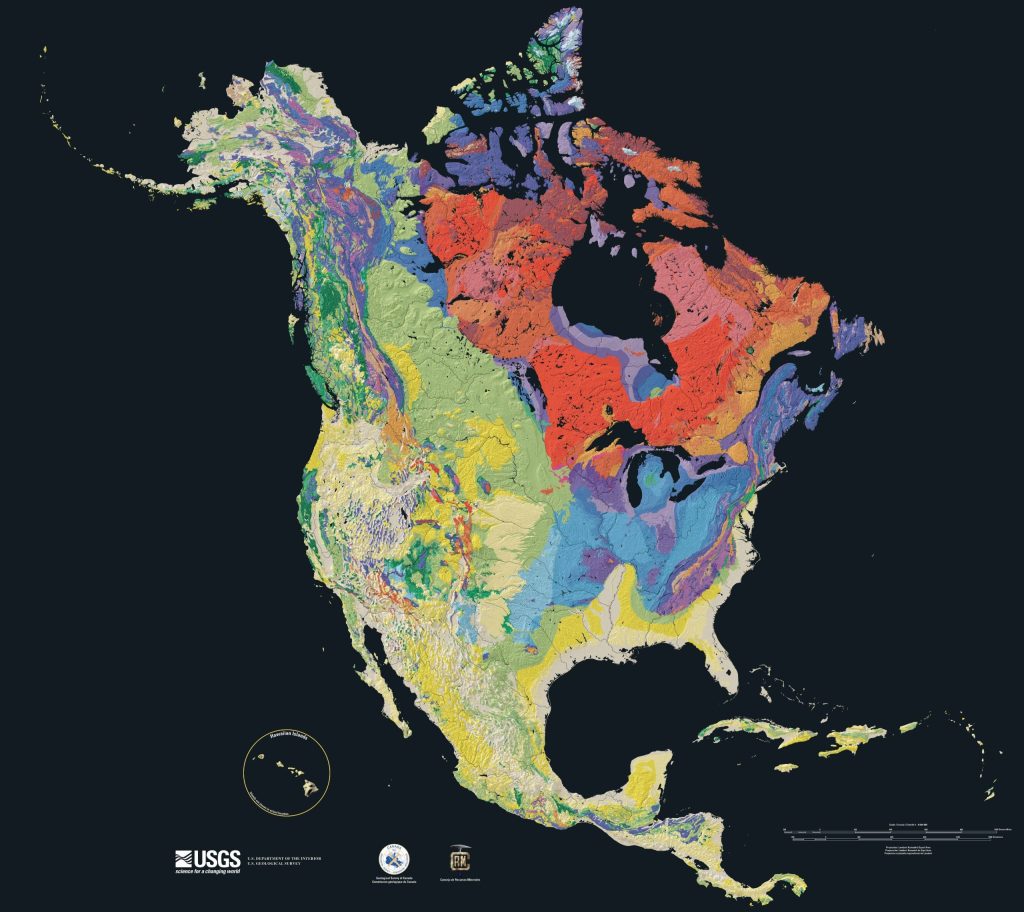
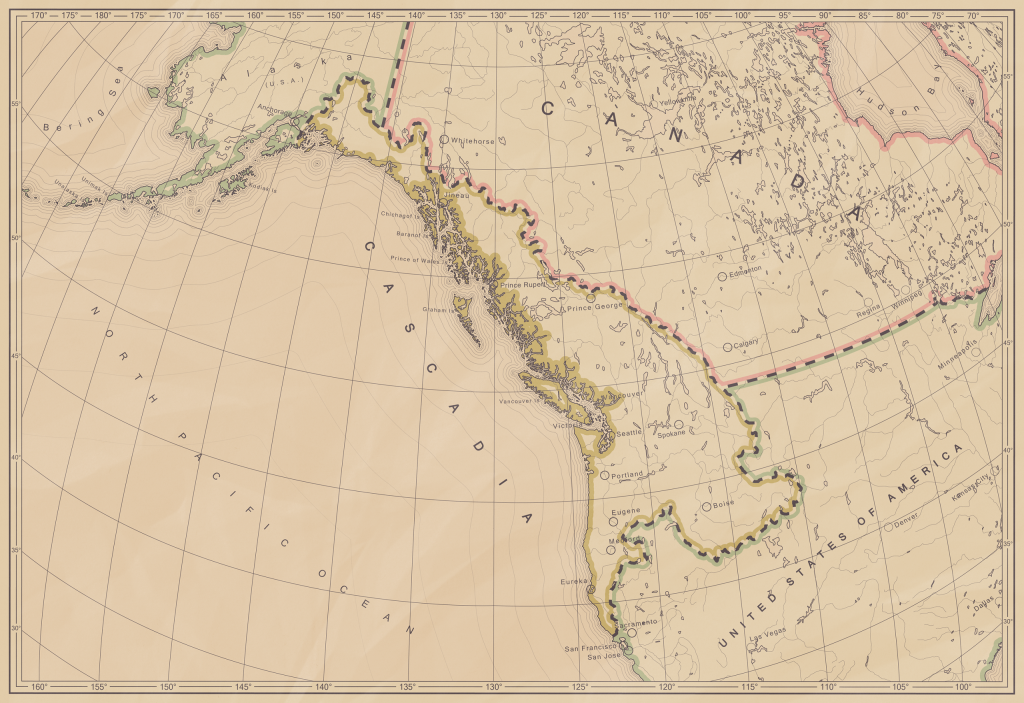
Bioregionalism is not joined; it is practiced. These are starting points, universal across places, organization-agnostic.
Trace the water from your tap back to its source, and from your drain forward to the ocean. Then walk a stretch of it.
Pick a place near home and visit it across the seasons. Notice what changes, what stays, what arrives, what leaves.
Learn five native plants, five native animals, and the language and lineage of the Indigenous nation whose homelands you live on.
When you can, choose food, materials, and energy that come from your bioregion. Know the people and places they came from.
Make a map. Of your block, your watershed, your community's stories. Maps are how a place becomes legible to the people in it.
Attend a council meeting, a watershed council, an Indigenous-led action. Bioregioning is not a private practice; it is civic.
Founded 2019. Rooted in Cascadia. Building infrastructure for bioregional movements worldwide.